

Automation · AI · 14 October 2025 ·
Demand forecasting, production planning, route optimisation and energy use. Where AI makes a difference in the factory, and where people remain essential.

You produce high-quality products, but things regularly go wrong: an order delivered much later because parts are missing, a production line that stands still because raw materials arrive too late, or warehouse employees running themselves ragged because picks aren’t logically planned. In modern factories, production and logistics are closely intertwined; one hiccup affects the entire chain. AI can take over part of that forecasting and planning work, where exactly differs per factory.
Factories face rising energy costs, scarce labor, increasingly complex product portfolios and ever-higher customer expectations. Supply chains are longer and subject to disruptions, while customers still demand faster delivery times. Traditional planning tools and Excel spreadsheets often fall short. McKinsey reports large effects among early adopters of AI in the supply chain. Those are averages from someone else’s research, not a promise, but the direction is clear.
AI models analyze sales data, market trends, weather forecasts and even social media to make more accurate predictions. Thanks to these insights, planners know earlier when demand increases or decreases, allowing inventory levels to be adjusted more accurately. This prevents both shortages and expensive surpluses. AI-driven inventory optimization calculates the ideal inventory level per product based on demand patterns, lead times and service levels. This deploys capital more efficiently and reduces waste.
Instead of rigid production schedules, smart algorithms use real-time data on machine availability, order volumes and personnel to calculate the most efficient production sequence. The system simulates different scenarios and chooses the schedule with the highest throughput and lowest waiting times. When a delivery is delayed or a machine breaks down, the schedule automatically adjusts. This dynamic planning reduces downtime and optimally utilizes capacity.
AI also supports quality control. With computer vision, cameras identify minute defects during the production process and report deviations in real-time. This results in fewer defective products being passed through and eliminates the need to reject entire batches.
Within logistics, AI ensures more efficient routes and smarter warehouse management. Smart algorithms calculate the optimal sequence of order picks in a warehouse, thus minimizing walking distances. For transport, distances, traffic information and delivery windows are taken into account; this limits fuel costs and improves delivery times. McKinsey estimates that early adopters of AI reduce their logistics costs by 15%. Gains Systems adds that AI solutions automate repetitive tasks such as inventory tracking, thereby reducing errors and relieving personnel.
Energy represents a major cost item for factories. AI-driven systems analyze real-time energy consumption and recognize inefficient patterns. They automatically adjust settings, for example by running machines at part load when production is lower, dimming lights or optimizing HVAC systems. This reduces energy consumption and CO₂ footprint without compromising product quality. Digital twins also help simulate and optimize processes; Siemens, for example, uses digital twins to analyze more than 50 million data points per day, achieving product quality of 99.99%.
Although AI offers powerful optimizations, the human factor remains crucial. Planners and logistics employees know the practice and understand which exceptions occur regularly. AI can make suggestions, but it’s up to people to decide when production or logistics needs to be organized differently. By viewing AI systems as tools, a culture of co-creation emerges: technology supports people, and people refine the technology.
Just as with predictive maintenance, it’s wise to implement process optimization step by step. Start with a clearly defined problem: for example, excessive inventory or inefficient pick routes. Collect the necessary data, build a simple model and learn from the results. Then scale up to more complex processes and integrate different AI applications. Don’t forget to invest in data quality and clear governance; poor data leads to wrong conclusions.
Process optimization in the factory isn’t just about making machines run faster, but primarily about smart use of data and technology. AI makes it possible to better predict demand, dynamically control production and logistics, and reduce energy consumption. Companies that invest now in smart process optimization lay a solid foundation for the factory of the future.
Want to know how Twentynext can help optimize your production and logistics processes? Our experts are ready to discover together where the greatest gains can be achieved. Contact us now.
About this article. We check facts and sources carefully, but cannot guarantee that they are accurate or complete. See our disclaimer.
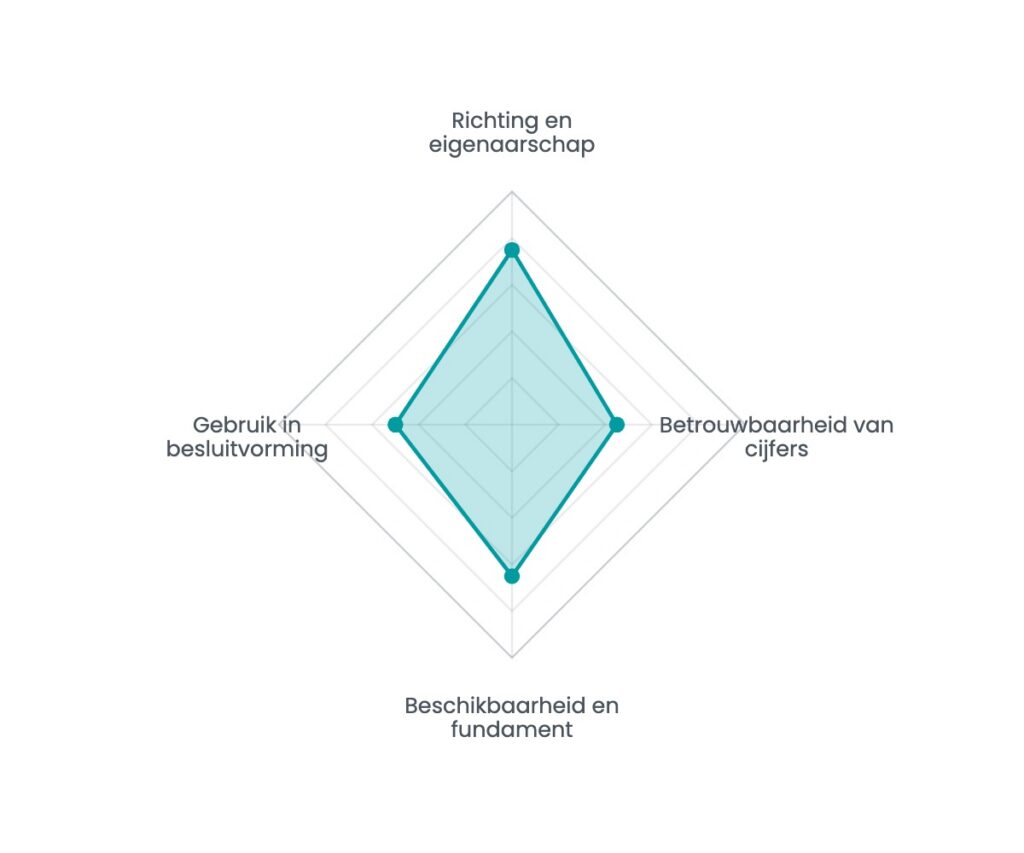
Sixteen questions, seven minutes, and an instant spider chart showing your strongest and weakest dimension. No e-mail address needed to see the result.
AI · 20 October 2026
A model that performs well in testing can deliver less than expected in practice. Learn why trust drives AI value in government and how to measure it.
Read the article →

AI · 18 October 2026
An honest checklist: six questions that determine whether your organisation is ready for AI, and what the next step is if the answer is no.
Read the article →

AI · 18 October 2026
Almost every organisation that gets serious about data faces the same question: who is actually going to do this? Build, hire or outsource?
Read the article →
Work with us
The people who build it also run it afterwards. Eindhoven, since 2014.
We use Google Tag Manager to measure visits and Leadinfo to recognise which company is visiting. Neither loads unless you agree. If you choose essential only, the site works as normal and we measure nothing. Cookie statement · Privacy statement
