
• Nederlands

Solution

Product recognition

An AI model with a mobile app that recognises and analyses products on the shelf, built to collect shelf data at scale in retail, without manual counting.

Get in touch →
Shop shelf with a clearly visible camera on the rail

Collecting shelf data without the legwork

What is actually on the shelf differs from what the system thinks: products run out, sit in the wrong spot or hang in the wrong place. To know for sure, someone currently walks the shelves with a list.

What the system does

  • Recognises products in a photo of the shelf, taken with a mobile app.
  • Turns those observations into data: which product, where, and how many.
  • Makes shelf data collectable at scale, in every store, as often as needed.

What the data delivers

One measurement says little; the series does. Differences between stores, the gap between planogram and reality, and the effect of product placement become measurable instead of an impression.

What it requires

The model is trained on your own assortment and has to grow with it: new products and packaging call for retraining. That is part of the approach, not the small print.

More solutions for commerce and retail are on the sector page.
What you get

Not a package, but a working solution

Twentynext is not a software vendor. We investigate the question, design the solution and build it until it runs in production.

What we deliver

A solution that runs in your own process, on your own data. No licence for someone else’s software, and no report with recommendations.

Where we start

With the business question, not with the model. Which decision needs improving, and what information does it depend on? Technology is the last step, not the first.

Who builds it

The same people who design it. From data analysis and architecture to production and management, without handing over to another party.

Frequently asked questions

What does the system do?

It recognises products in a photo of the shelf, taken with a mobile app, and turns that observation into data: which product, where, and how many. That makes it possible to collect shelf data at scale, in every store, as often as needed.

Why not just send someone along the shelves with a list?

That is current practice, and it yields one measurement. What is actually on the shelf differs from what the system thinks: products run out, sit in the wrong spot or hang in the wrong place. One measurement says little about that; a series of measurements does.

What does shelf data show?

Differences between stores, the gap between planogram and reality, and the effect of product placement become measurable instead of an impression.

Does the model need retraining?

Yes. The model is trained on your own assortment and has to grow with it: new products and packaging call for retraining. That is part of the approach, not the small print.

Does Twentynext supply a ready-made app?

No, not a package. The solution consists of an AI model with a mobile app, and the model is trained on your own assortment and runs in your own process. You get no licence for someone else’s software.

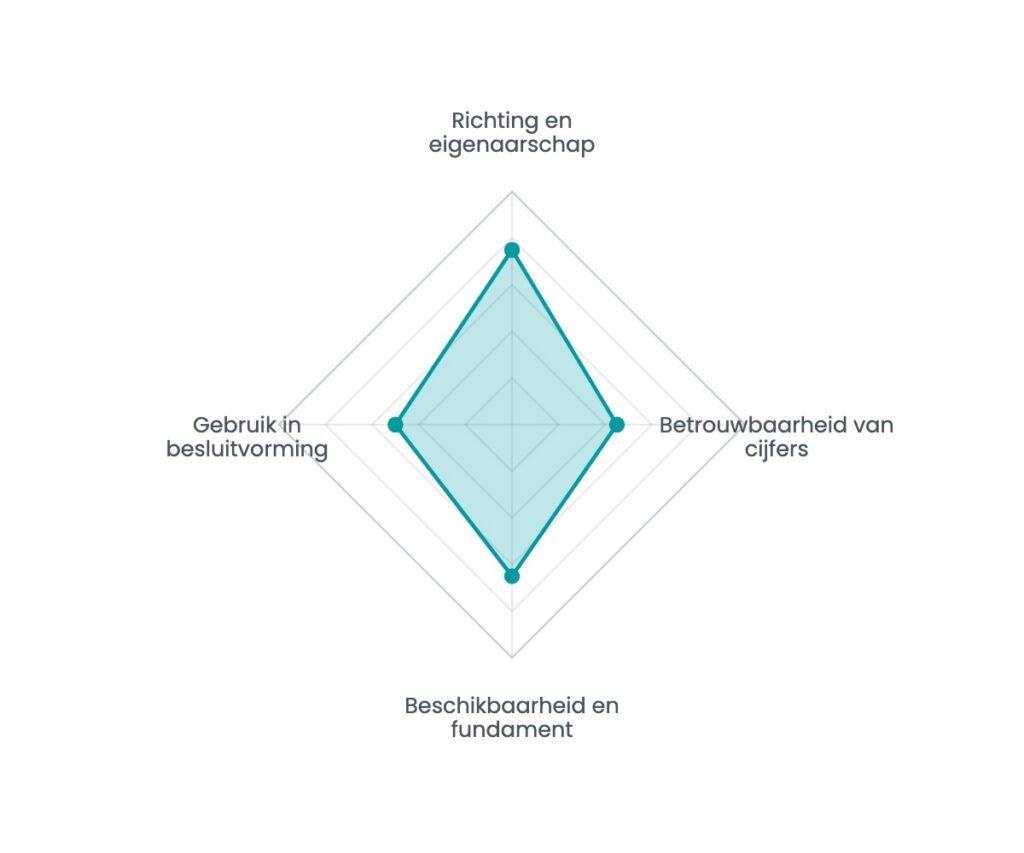
Example of a scan result: spider chart with four dimensions

Where does your organisation stand?

Sixteen questions, seven minutes, and an instant spider chart showing your strongest and weakest dimension. No e-mail address needed to see the result.

Work with us

Realise your project together?

The people who build it also run it afterwards. Eindhoven, since 2014.

Martijn van Grieken

Martijn van Grieken

Director Data & AI

Book an introduction or ask a question first