• Nederlands

Solution

Dynamic pricing

Prices that move with demand, stock and competition. We combine your own sales and stock data with external market factors, and calculate per customer segment what a price change does.

Get in touch →
Electronic price tags on the shelf edge of a bright shop shelf

What dynamic pricing involves

Fixed prices are an average: too high on quiet days, too low on busy ones. A dynamic pricing model replaces that average with a price that moves with what is actually happening.

What the price moves with

  • Demand and supply, including season and promotions.
  • Stock: marking down in time is cheaper than waste or lost sales.
  • The market: competition and external conditions, linked to your own sales data.

What it requires

A pricing model is only as good as the data beneath it: current sales and stock figures, and market information that can be linked to your assortment. We test that foundation first.

What it delivers

Prices you can model per customer segment before you put them live. Higher prices at peak moments, room to sell stock in quiet periods, without anyone pricing by hand every day.

Related: inventory management, where we built demand forecasting for fresh produce.

More solutions for commerce and retail are on the sector page.
What you get

Not a package, but a working solution

Twentynext is not a software vendor. We investigate the question, design the solution and build it until it runs in production.

What we deliver

A solution that runs in your own process, on your own data. No licence for someone else’s software, and no report with recommendations.

Where we start

With the business question, not with the model. Which decision needs improving, and what information does it depend on? Technology is the last step, not the first.

Who builds it

The same people who design it. From data analysis and architecture to production and management, without handing over to another party.

Frequently asked questions

What is dynamic pricing?

A price that moves with what is actually happening, instead of a fixed price. A fixed price is an average: too high on quiet days, too low on busy ones. A dynamic pricing model replaces that average with a price that responds to demand, stock and the market.

Does Twentynext supply dynamic pricing software or a platform?

Not a package, and not a platform with a licence. We build a pricing model on your own sales and stock data, linked to market information about your assortment, and that model runs in your own process. If an existing package is enough for your situation, we will say so.

What does the price move with?

Three things. Demand and supply, including seasonality and promotions. Stock, because marking down in time is cheaper than waste or lost sales. And the market: competition and external conditions, linked to your own sales data.

What data is needed?

Current sales and stock figures, and market information that can be linked to your assortment. A pricing model is only as good as the data beneath it, so we test that foundation before we build.

Can we see the effect of a price change in advance?

Yes. The model calculates the effect of a price change for each customer segment, before you put it live. Higher prices at peak moments and room to sell stock in quiet periods become a choice you can assess beforehand, without anyone pricing by hand every day.

What does dynamic pricing have to do with inventory management?

Both rest on a demand forecast. For fresh produce we built a replenishment system that forecasts demand per product per store and adjusts the order settings accordingly; it has been running since 2020. In dynamic pricing, stock returns as one of the factors: marking down in time is cheaper than waste or lost sales.

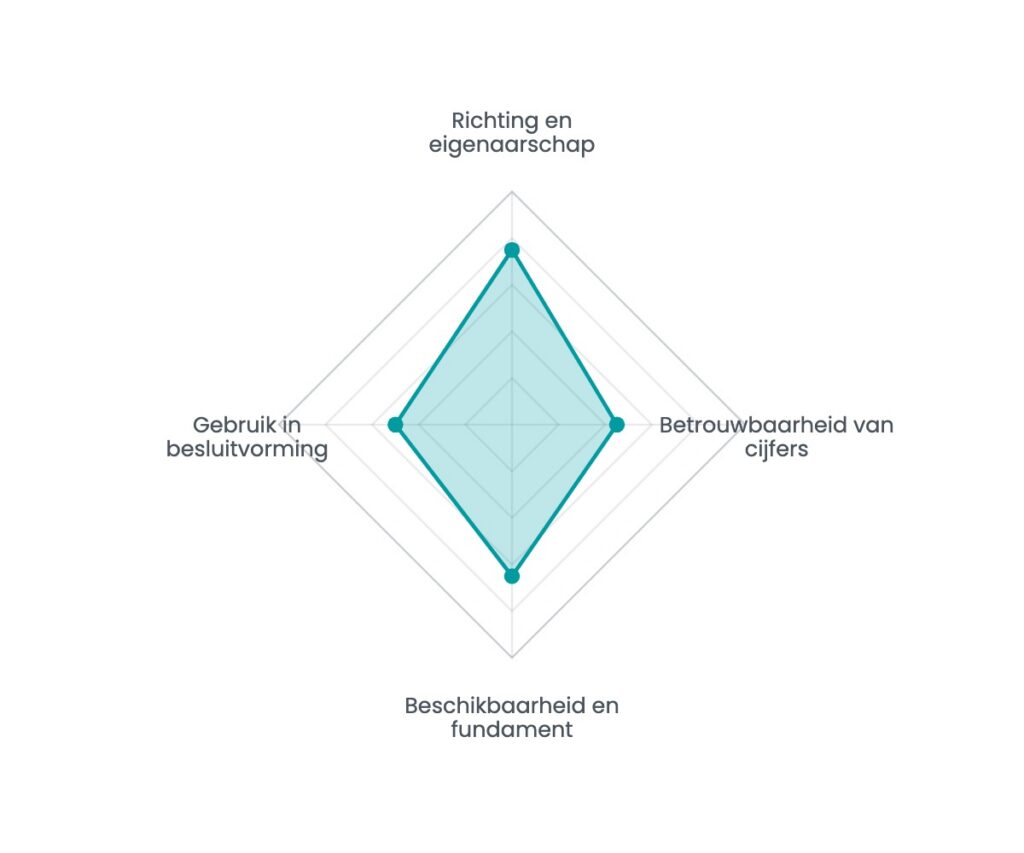
Example of a scan result: spider chart with four dimensions

Where does your organisation stand?

Sixteen questions, seven minutes, and an instant spider chart showing your strongest and weakest dimension. No e-mail address needed to see the result.

Work with us

Realise your project together?

The people who build it also run it afterwards. Eindhoven, since 2014.

Martijn van Grieken

Martijn van Grieken

Director Data & AI

Get in touch