• Nederlands

Solution

Quality inspection

Twentynext builds automated quality inspection into your production line: a model that assesses your own products against your own rejection criteria. Consistent, at the pace of the line, and with the rejection data as the starting point for finding the cause.

Get in touch →
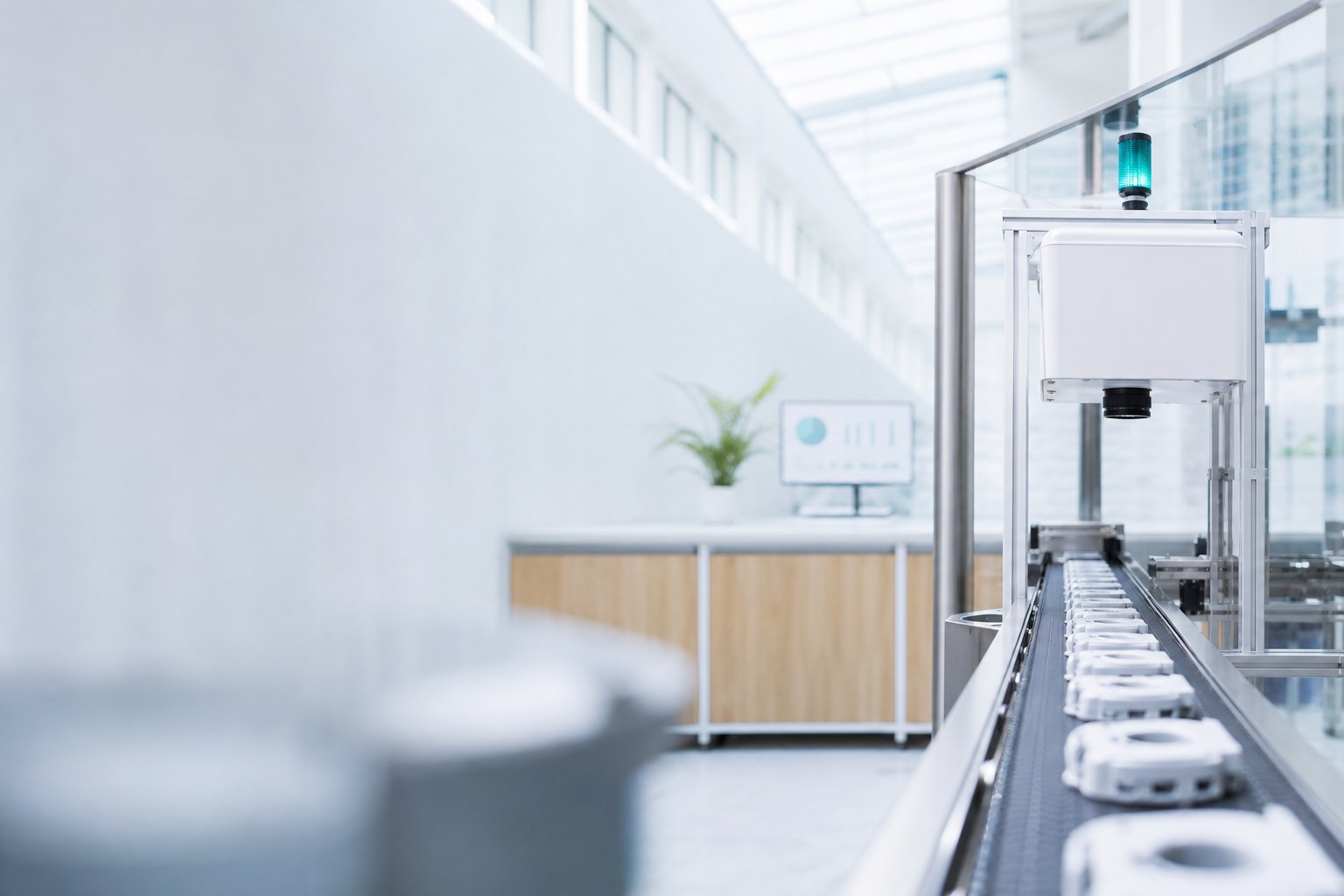
Modern inspection line with a camera above the conveyor belt

AI and visual technology for early detection of quality defects

AI quality inspection is the automatic assessment of every product in the production line with an image recognition model. Unlike a sample check, the system assesses everything, consistently and at the pace of the line: the same deviation gets the same judgement at the end of a night shift as at the start of the morning.

What it delivers

The gain rarely sits in the inspection itself, but in what falls away around it: fewer products rejected late in the process, fewer manual sample checks, and less discussion about where the standard lies.

What it needs

It takes an honest answer up front: image quality, stable lighting and a fixed camera position weigh more than an expensive camera, and it needs examples of rejects from your own production. The model learns from your rejects, not from a generic defect model.

Integration with existing systems

The link with existing production equipment, IoT platforms and reporting is part of the work, not a separate phase afterwards. The judgement has to land somewhere to have value: a signal to the operator, a stop on the line, or a report.
What you get

Not a package, but a working solution

Twentynext is not a software vendor. We investigate the question, design the solution and build it until it runs in production.

What we deliver

A solution that runs in your own process, on your own data. No licence for someone else’s software, and no report with recommendations.

Where we start

With the business question, not with the model. Which decision needs improving, and what information does it depend on? Technology is the last step, not the first.

Who builds it

The same people who design it. From data analysis and architecture to production and management, without handing over to another party.

Frequently asked questions

What does AI quality inspection do in a production line?

A model assesses images from your line against your own rejection criteria, trained on your own products. It judges at the pace of production, so without affecting throughput, and gives the same deviation the same judgement at the end of a night shift as at the start.

What is needed to get started?

Three things: images of sufficient quality, where stable lighting and a fixed camera position weigh more than an expensive camera; examples of rejects from your own production; and a point in the process where the result is acted on: a signal to the operator, an ejection mechanism or a record in your existing systems.

What if we have hardly kept any rejected products?

Then the project starts with collecting. That does not rule out a project, but it does determine the lead time: the model learns from your own rejects, not from a generic model that recognises defects.

Does the system also say why things go wrong?

Every judgement is also data. Once there is enough of it, the question shifts from which product you reject to why it goes wrong: which combination of settings, batch and time precedes a spike in rejects, and where in the process the cause occurs rather than where it becomes visible.

Does Twentynext supply a ready-made inspection package?

No. We are not a software vendor. You get a solution that runs in your own process on your own data: no licence for someone else’s software, and no report with recommendations.

Does it connect to our existing equipment?

The link with existing production equipment, IoT platforms and reporting is part of the work, not a separate phase afterwards. The judgement has to land somewhere to have value.

Is quality control the same as quality inspection?

In practice, yes: both words describe assessing products against a standard, and industry and vendors use them interchangeably. On this page we mean the same thing by both: automatic inspection of every product in the line, against your own rejection criteria, instead of a manual sample check.

Does AI quality inspection also work in the food industry?

Especially there. Natural products vary in colour, shape and size, and precisely that variation makes fixed inspection rules unreliable. A model trained on your own product stream learns what normal variation is and what a deviation is. The same goes for every sector with high volumes and visual standards.

What does AI quality inspection cost, and when does it pay for itself?

A first set-up with camera, lighting and model usually costs between 25,000 and 75,000 euros, depending on the number of product variants. The payback comes from rejects the customer no longer sees and from the inspector who spends their time on exceptions instead of on every belt. On a line with more than 1 percent rejects, that is usually within a year. These are guidelines from our projects, not a guarantee: every situation calls for tailored work, and we set amounts and lead times per organisation.

Why is implementing a vision model harder than it looks?

The model is the smallest part. Lighting that changes with the seasons, products that lie slightly differently, and a line that cannot stand still determine whether it works. That is why we start with a week of collecting images on the real line, before any model is trained.

How does this compare to manual inspection?

Manual inspection remains necessary for the cases the model is unsure about. The model takes away the volume, the person judges the doubt. The percentage of doubtful cases is the measure we steer by.

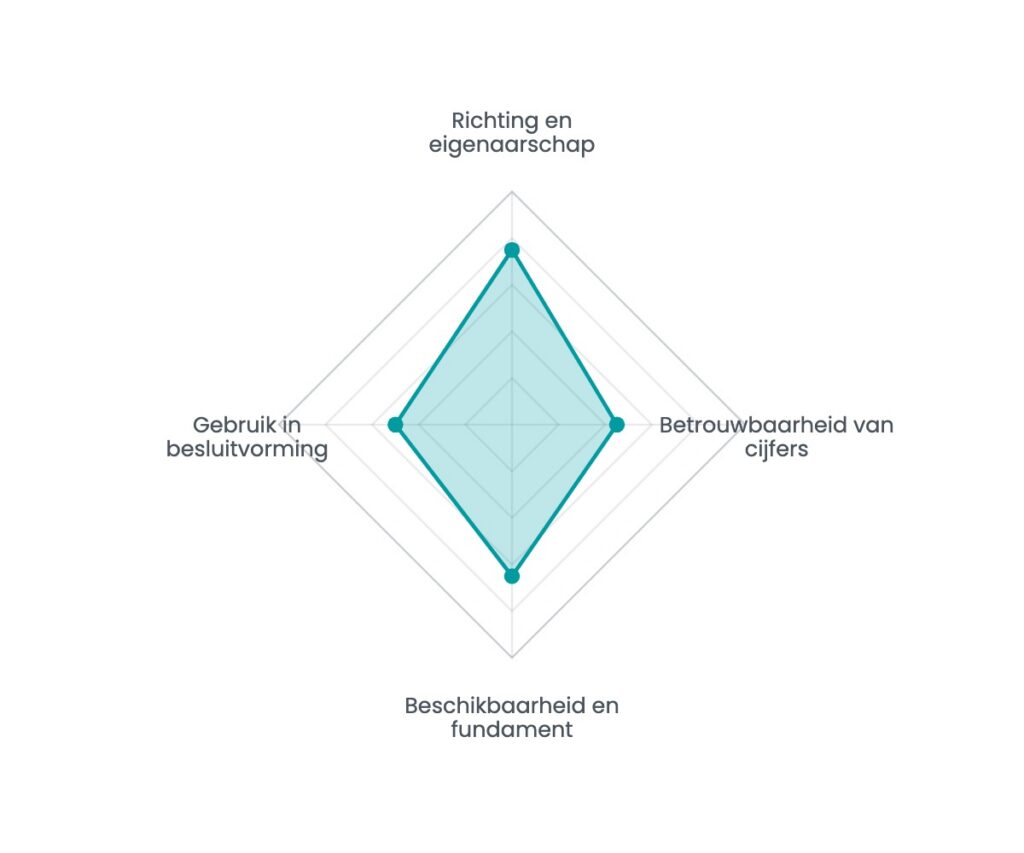
Example of a scan result: spider chart with four dimensions

Where does your organisation stand?

Sixteen questions, seven minutes, and an instant spider chart showing your strongest and weakest dimension. No e-mail address needed to see the result.

Work with us

Realise your project together?

The people who build it also run it afterwards. Eindhoven, since 2014.

Martijn van Grieken

Martijn van Grieken

Director Data & AI

Get in touch